The History and Significance of "Hello World" HAHA
Why Do We Start With "Hello World"?
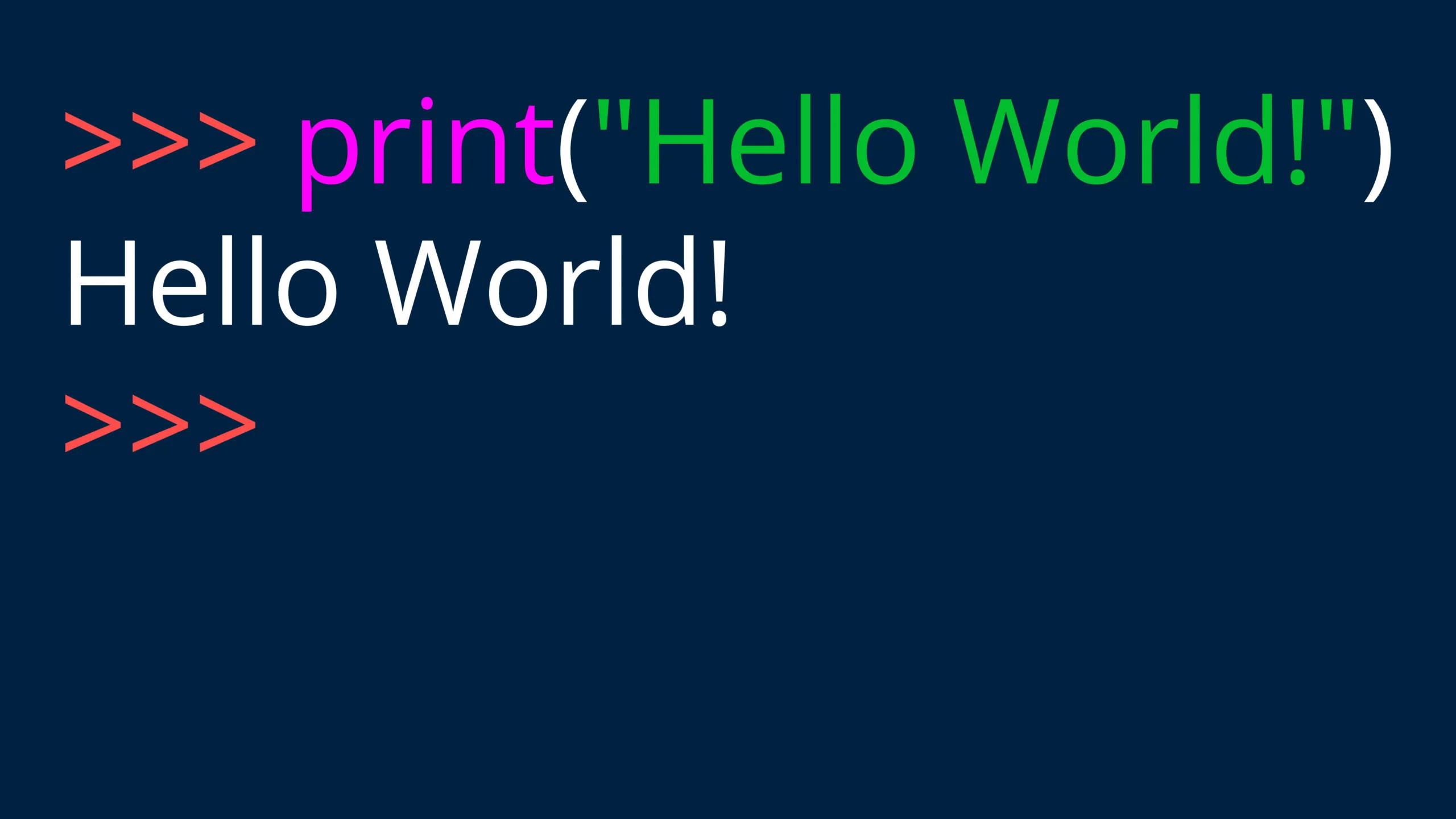 Image source: Udacity
The "Hello World" program has become the universal first example when learning any programming language, serving as an initiation ritual for programmers worldwide.
Origins of Hello World
The phrase traces back to Brian Kernighan's 1972 tutorial for the B programming language. According to Wikipedia, it appeared in Kernighan's 1978 book "The C Programming Language", which became a canonical reference.
Historical Timeline:
- 1967: First documented use in BCPL language (predecessor to B)
- 1972: Appeared in Kernighan's internal Bell Labs memos about B language
- 1974: Used in Bell Labs' internal programming manuals
- 1978: Published in "The C Programming Language" book
Why It Matters
Technical Significance
- Minimal Viable Program: Tests basic language syntax
- Environment Verification: Confirms compiler/interpreter works
- I/O Testing: Validates basic input/output functionality
Cultural Impact
- Shared Experience: Common starting point for all programmers
- Educational Tool: Simplifies initial learning curve
- Benchmarking: Used to compare language syntax
# Modern Python implementationprint("Hello World!")# Prints to standard outputHello World in Different Paradigms
| Paradigm | Language Example |
|---|---|
| Procedural | C, Pascal |
| Object-Oriented | Java, C# |
| Functional | Haskell, Lisp |
| Scripting | Python, Ruby |
Behind the Scenes
What actually happens when you run a Hello World program:
Compilation/Interpretation:
Compiled languages: Converted to machine code
Interpreted languages: Processed line-by-line
Execution:
- Program loads into memory
- Calls system output functions
- Returns exit status
"Hello World represents the programmer's first conversation with the machine" - Codeinterview
Modern Variations
Contemporary twists on Hello World:
- Web Version:
console.login browser dev tools - Mobile Apps: Android Toast messages
- AI Prompts: "Say hello world" in ChatGPT
Further Reading
This post explores the technical and cultural significance of programming's most famous first step.